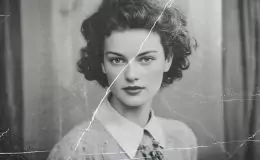
Preserving memories is more than just keeping photos; it’s about safeguarding the emotions, stories, and people connected to them. A single photograph can carry decades of family history: grandparents in their youth, a childhood birthday, or the first days of a relationship. Over time, these images fade, tear, wrinkle, or lose clarity, leaving memories to slowly disappear.
What Is Photo Restoration?
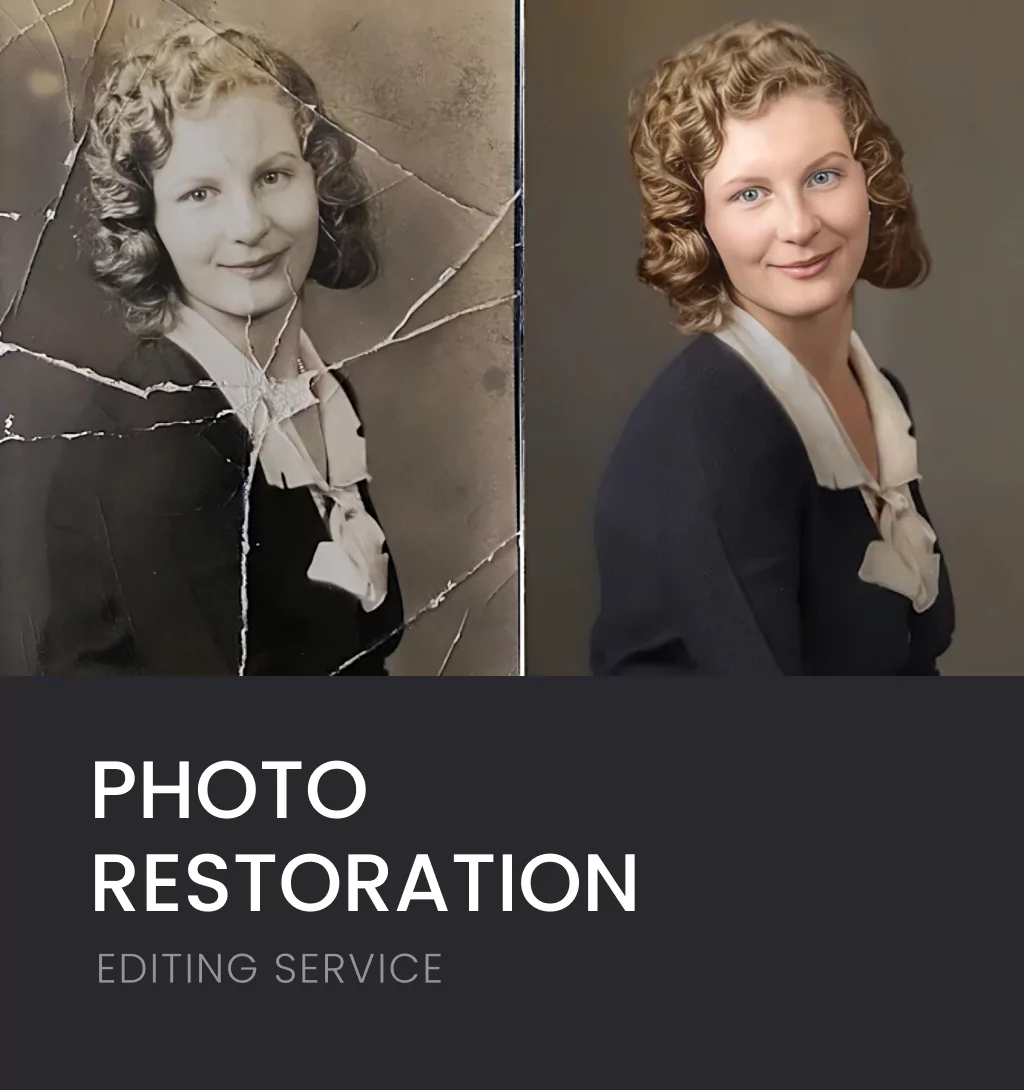
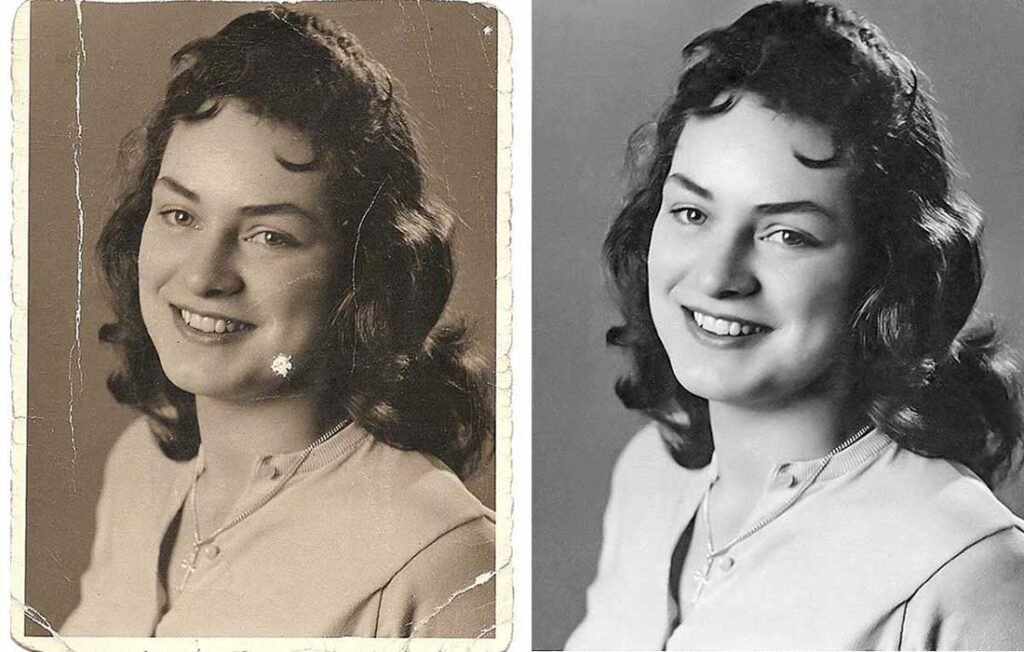
Photo restoration is the digital process of repairing and enhancing old or damaged photographs using advanced tools such as Adobe Photoshop, AI restoration models, and manual retouching techniques. Unlike simple editing, restoration requires careful attention to detail, an understanding of image structure, and preservation of historical authenticity.
You’re not simply “fixing an image.” You’re preserving a memory.
Some common goals of restoration include:
- Repairing scratches, tears, and stains
- Rebuilding missing sections or torn edges
- Improving clarity and sharpness
- Restoring faded colors or original tones
- Reconstructing damaged backgrounds or clothing
- Repairing mold, water damage, or heavy fading
Why Photo Restoration Matters
1. Photos Capture Far More Than Visuals
A picture from your grandmother’s wedding isn’t just a piece of paper—it’s a window into a different era. Every detail the clothing style, the paper texture, and the background environments tells a story.
When those details fade, you lose context and connection.
2. Restoration Preserves Legacy
Family history is often passed down through stories and visuals. Restored photos become:
- Heirlooms
- Memorial pieces
- Gifts for future generations
- Historical documentation
- Artifacts for family archives
Without restoration, memories degrade to the point where they become unrecognizable.
3. Restored Photos Connect Generations
We live in a digital world. Young people experience visuals differently—high-resolution screens, crisp images, clean lines.
When you restore old photos into something vibrant and clear, younger generations instantly relate to them. The emotional connection becomes stronger.
Common Types of Photo Damage & How Restoration Fixes Them
Photos degrade over time due to environmental, chemical, and physical reasons. Here are the most common issues:
1. Fading
Ink and photographic chemicals are vulnerable to light. Sunlight is the biggest enemy of film photos. Over years, even indoor lighting breaks down pigments.
Digital restoration revitalizes color, restores contrast, and enhances clarity without altering the original subject.
2. Tears and Scratches
Handling, folding, or improper storage often leads to surface damage. Even small scratches distort facial features.
Professionals rebuild missing pieces pixel by pixel, maintaining texture, tone, and realism.
3. Water Damage
Humidity, spills, and moisture cause stains, discoloration, or entire sections to dissolve.
Advanced restoration tools recreate lost parts like hair strands, clothing seams, and background patterns based on photographic logic.
4. Mold and Fungus
Pictures stored in basements, trunks, or old albums often get fungal spread. These create blotches or faded patches.
Digital repair removes the imperfections and reconstructs texture in a visually authentic way.
5. Incorrect Exposure
Early cameras didn’t have today’s automation. Many images are:
- Too dark
- Too bright
- Poorly contrasted
Proper restoration adjusts exposure, recovers shadow detail, and softens blown-out highlights.
The Restoration Process: From Damaged Print to Digital Treasure
Here is what typically happens when a restoration project is handed to a professional service such as Emend Studios.
Step 1: High-Resolution Scanning
The physical photograph is scanned to create a digital image. The higher the resolution, the more detail professionals have to work with. Typically, 600–1200 DPI scans are used for restoration.
Step 2: Assessment
Experts review:
- Type and severity of damage
- Missing elements
- Level of detail required
- Client expectations (historical accuracy, colorization, retouching)
This determines whether restoration is minimal, moderate, or full-scale reconstruction.
Step 3: Digital Repair
This includes:
- Removing dust, scratches, tape marks
- Filling torn sections
- Recreating missing elements
- Tone reconstruction
- Texture matching
Modern tools like AI assist, but human artists ensure accuracy and emotional sensitivity.
Step 4: Enhancement
After repairs, the image is polished:
- Sharpening
- Color correction
- Contrast balancing
- Tone mapping
If restoration includes colorization, authentic sources (fashion trends, materials, and timelines) are referenced.
Step 5: Delivery
You receive:
- A high-resolution digital restored image
- Optional printed display copies
- Optional archival backups
The original physical image is never harmed.
Why Professional Restoration Is Better Than DIY Tools
There are dozens of apps that promise “one-click photo restoration.” They can be fun, but they lack precision. Most don’t understand:
- Human facial structure
- Historical textures
- Clothing fabric accuracy
- Lighting or depth
- Subtle artifacts around edges
AI tools often produce plastic-looking faces or artificial colors that look unrealistic.
Professionals preserve authenticity.
A skilled restoration artist at Emend Studios balances realism with respect for the source. They understand that:
- Wrinkles are part of life
- Shadows reflect real environments
- Black & white tones are not pure grayscale
Restoration isn’t about “making someone look younger.” It’s about representing them as they were.
How Photo Restoration Helps With Family Archives
If your family keeps physical photo albums, many of those images will degrade in the next 10–20 years. That’s not speculation; it’s chemistry.
Digitizing and restoring old photos helps:
- Preserve heritage
- Create digital backups
- Distribute copies to relatives
- Prepare images for documentaries or books
- Build family trees
Even if you never print them, digital archives are priceless.
Final Thoughts
Photo restoration isn’t just a service; it’s an emotional bridge between past and present.
It keeps people alive in memory.
It protects history.
It transforms faded paper into timeless stories.
If you have old photos tucked away in drawers or albums, don’t wait until they disappear completely. Bring them back to life.
Emend Studios is here to restore your memories and preserve them for generations.